The New Faces of Service: How Young Kiwanis Leaders Are Rewriting What Community Means
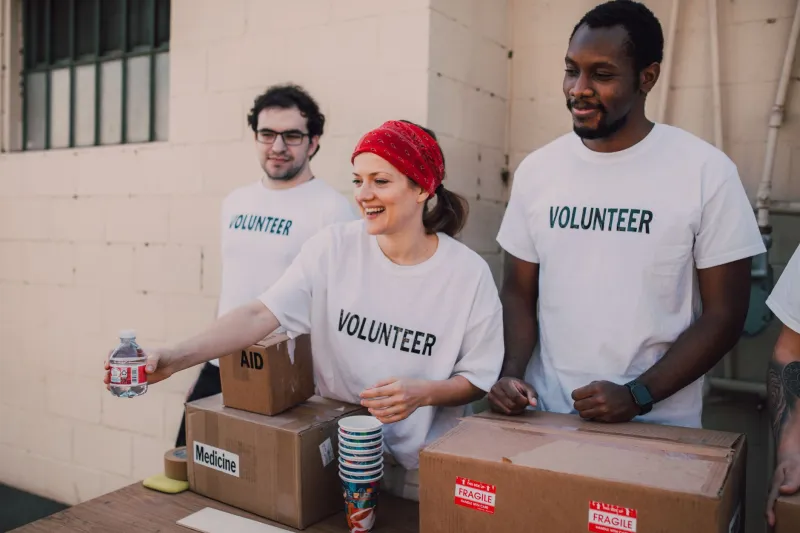
For decades, the image of a Kiwanis volunteer conjured a particular picture: seasoned professionals gathered over breakfast, pooling resources and civic goodwill to support local causes. That image, while still accurate in many respects, is increasingly incomplete. Across the United States, a younger generation of service leaders — many of them still navigating high school hallways or college campuses — is reshaping what it means to give back, and doing so with a sophistication and scale that is drawing attention far beyond their immediate communities.
These are the members of Key Club International, the high school affiliate of Kiwanis International, and its college-level counterpart, Circle K International. Together, they represent one of the largest student-led service networks in the world. And right now, they are doing some of the most consequential community work of any age group in the organization.
A Different Starting Point
What distinguishes today's young Kiwanis-affiliated volunteers from previous generations is not simply enthusiasm — it is context. Many of these students came of age during the COVID-19 pandemic, witnessing firsthand how quickly community infrastructure could fracture. They watched food lines stretch around city blocks. They saw classmates struggle with anxiety and depression without adequate support. They noticed neighbors cut off from essential services because they lacked reliable internet access.
That lived experience has translated directly into their service priorities.
"We're not waiting for adults to identify the problem and hand us a project," said one Key Club chapter president from a suburban school district in Ohio. "We see what's happening around us, and we're building the response ourselves."
This bottom-up approach to service design is one of the defining characteristics of the current generation of Kiwanis youth leaders. Rather than inheriting a program and executing it faithfully, many chapters are conducting their own community needs assessments, partnering with local nonprofits and municipal agencies, and measuring outcomes with a rigor more commonly associated with professional organizations.
Confronting Food Insecurity With Data and Determination
In the Pacific Northwest, a Key Club chapter affiliated with a large public high school launched what they call a "food mapping" initiative — a systematic effort to identify households within their school's attendance zone that were experiencing food insecurity but not accessing available resources. Working alongside a regional food bank and a university public health department, student volunteers canvassed neighborhoods, analyzed school meal participation data, and ultimately helped connect more than 200 families to consistent food assistance within a single academic year.
The project required the kind of coordination that most adults would find daunting: FERPA-compliant data sharing agreements, volunteer scheduling across multiple weeks, and ongoing communication with partner agencies. The students handled it.
"We had a spreadsheet that would make a nonprofit director proud," noted the faculty advisor overseeing the chapter. "These kids understand systems. They think in terms of scale."
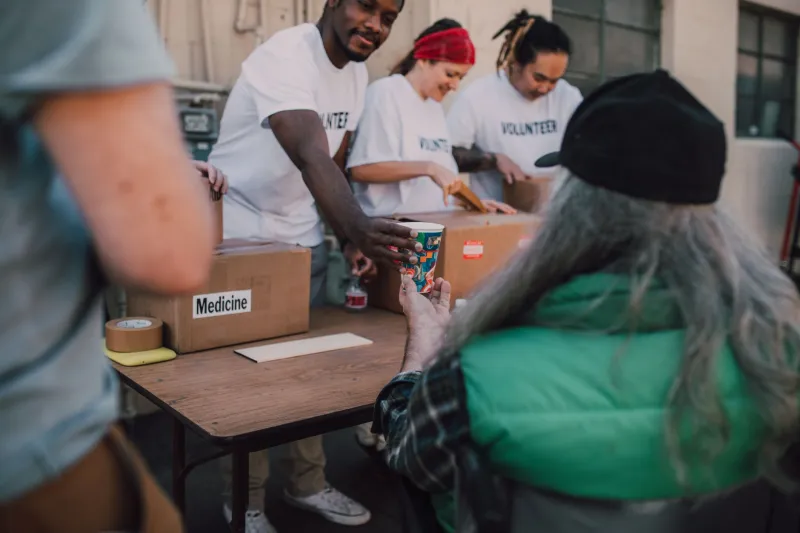
Similar food-focused initiatives are underway in communities from rural Appalachia to urban Texas, where Key Club members have established weekend backpack programs, organized community refrigerators, and coordinated with local restaurants to redirect surplus food before it reaches the dumpster.
Mental Health as a Service Priority
Perhaps no shift in youth service priorities is more striking than the centrality of mental health awareness in current Key Club programming. For a generation that has spoken openly — more openly than any before it — about anxiety, depression, and the psychological toll of social isolation, addressing mental health stigma is not an abstract cause. It is personal.
Chapters in states including Georgia, Minnesota, and California have launched peer-to-peer mental health campaigns that go well beyond poster drives and awareness weeks. One chapter in the Atlanta metropolitan area partnered with a licensed clinical social worker to develop a workshop curriculum that trains students to recognize signs of distress in their peers and respond with evidence-based supportive language. The workshop has now been delivered to more than 1,500 students across three counties.
"We wanted something that actually changed behavior, not just attitudes," explained a student co-developer of the curriculum. "Awareness is a starting point. We were after skills."
The distinction matters. Mental health advocates have long argued that general awareness campaigns, while valuable, rarely produce the concrete behavioral changes needed to reduce crisis incidents and encourage help-seeking. The approach being taken by many Key Club chapters reflects an understanding of that limitation — and a determination to clear it.
Closing the Digital Divide, One Device at a Time
Digital equity has emerged as another frontline issue for young Kiwanis service leaders, particularly in the wake of pandemic-era remote learning that exposed stark disparities in technology access. In communities where reliable broadband and functioning devices remain out of reach for low-income families, Key Club members have stepped in with creative, scalable solutions.
In a mid-sized city in the Southeast, one chapter organized a device refurbishment program in partnership with local businesses and a regional Kiwanis club. Students collected donated laptops and tablets, worked with volunteer technicians to restore them to working condition, and distributed more than 300 devices to families identified through the school district's free and reduced lunch program. The chapter subsequently secured a small grant to fund WiFi hotspot subscriptions for households without broadband access.
What is notable about this initiative — and many like it across the country — is that the students did not simply execute a plan handed to them. They identified the need, researched existing models, built the partnerships, and managed the logistics from start to finish.
The Kiwanis Connection: Mentorship as Multiplier
None of this happens in isolation. A consistent theme among high-performing Key Club chapters is the presence of engaged adult Kiwanis members who serve not as directors but as mentors — experienced volunteers who provide guidance, open doors, and offer institutional knowledge while allowing young leaders to drive the work.
This relationship, when functioning well, represents one of the most effective aspects of the Kiwanis model: the deliberate transfer of civic knowledge across generations. Adult members bring networks, credibility, and experience. Young members bring energy, technological fluency, and an unencumbered willingness to challenge the way things have always been done.
The result, increasingly, is service that neither generation could produce alone.
As Kiwanis International continues to invest in its youth programs, the evidence from the ground suggests that investment is yielding substantial returns — not only in measurable community impact, but in the formation of a generation of civic leaders who will carry the organization's mission forward for decades to come. The classroom and the community, it turns out, are not separate worlds. For today's Key Club members, they never were.