The 3 O'Clock Advantage: Inside the Student-Led Service Movement Reshaping American Volunteering
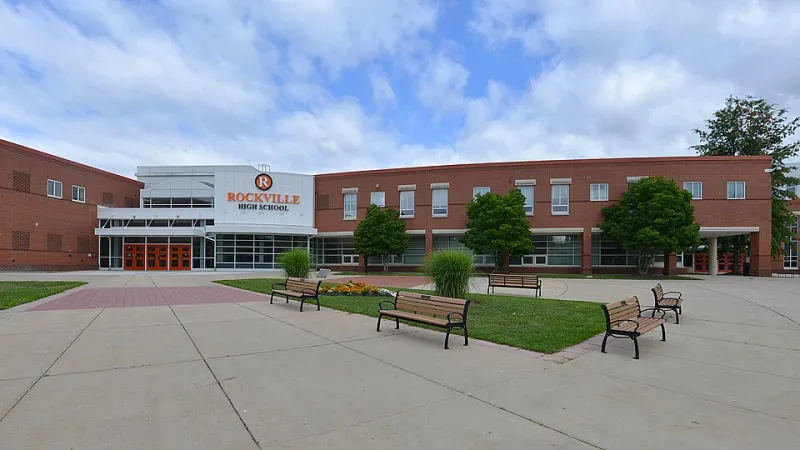
Photo: G. Edward Johnson, CC BY 4.0, via Wikimedia Commons
Every school day, at roughly three o'clock, a remarkable shift occurs in high schools across the United States. Students who spent the previous seven hours following a schedule designed by adults take over the auditorium, the cafeteria, the parking lot — and start running organizations of their own.
Key Club, the high school arm of the Kiwanis family, is the largest student-led service organization in the country, with clubs in thousands of schools and members contributing millions of volunteer hours each year. But statistics understate what is actually happening. The distinctive feature of Key Club is not the volume of service but its authorship: in most clubs, the students — not the adults — choose the projects, run the meetings, manage the budgets, and answer for the results.
What follows are five projects, drawn from the kinds of initiatives thriving in Key Clubs nationwide, that illustrate what America's largest untapped volunteer force is capable of.
1. Disaster Relief, Organized by Sophomores
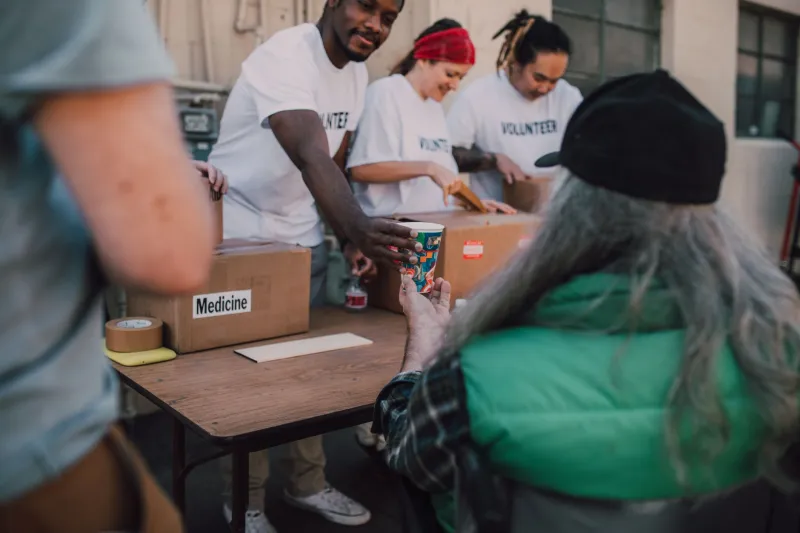
When floods and tornadoes strike, national relief agencies arrive within days. But Key Club members are often there first — and still there last. Student-led relief drives have become a signature of clubs in storm-prone states, where members coordinate supply collections, assemble hygiene kits, and partner with local churches and shelters on distribution. In several recent hurricane seasons, clubs hundreds of miles inland organized truckloads of donated goods, with teenagers managing logistics that would impress a warehouse manager. The learning is immediate and unglamorous: spreadsheets, donation sorting, transportation coordination. It is also the kind of experience no classroom quite replicates.
2. Tech Support for the Greatest Generation
One of the most quietly successful project models pairs high school students with senior citizens for one-on-one technology help. In libraries, senior centers, and retirement communities, Key Club members teach older adults to video-call their grandchildren, refill prescriptions online, and spot the scam emails targeting them. The intergenerational dividend runs both ways: seniors gain digital independence, and students gain something rarer — sustained, unscripted conversation with people two or three generations removed from their daily lives.
3. Fighting Hunger Beyond the Canned Drive
The traditional food drive is not going away, but the strongest clubs have moved up the supply chain. Student members now volunteer at food bank distribution centers, help pack weekend backpack programs that send food home with food-insecure classmates, and in some communities have advocated alongside sponsoring Kiwanis clubs for summer meal funding. The shift from collecting cans to understanding hunger is deliberate — and it changes how young people see their own towns.
4. Little Libraries and Big Literacy
Across the country, Key Club members have built, installed, and stocked small free libraries in parks, clinics, and apartment complexes, often paired with book drives focused on early-elementary titles. Some clubs extend the work into reading buddy programs at nearby elementary schools, where high schoolers spend an hour a week listening to first-graders read aloud. Teachers report that the younger children treat these visits as minor events — and that reluctant readers perform for an audience of teenagers in a way they will not for an adult.
5. Welcoming the New Kid
Less visible but no less consequential are the belonging projects: student-led welcome programs for newly enrolled students, buddy systems for English language learners, and school culture initiatives designed by the students who best understand the social landscape. In an era of heightened concern about adolescent isolation, these peer-designed efforts do what no adult program can — reach isolated students through the people they actually notice.
The Pipeline Nobody Talks About
Civic-health researchers have documented a troubling generational decline in the associational life that once defined American communities. Key Club represents the counterargument, and perhaps the remedy. A teenager who has run a budget meeting, negotiated with a food bank director, and organized forty classmates around a service goal does not simply age out of that habit.
The data bears this out: former Key Club members are disproportionately likely to volunteer, vote, and join community organizations as adults. The afterschool hours between three and six, so often framed as a supervisory problem, are in fact a civic opportunity — the largest unstructured block of talent in American life.
The adults who sponsor these clubs — the Kiwanians who show up with doughnuts and advice but resist the urge to take over — understand the essential formula. The point is not the project. The point is the teenager who learns that if she wants her community to be different, she is the one who has to organize it.
At three o'clock every afternoon, that lesson is being taught in a high school near you.