Swing Sets and Second Chances: How Kiwanis Clubs Are Transforming Neglected Play Spaces Into Neighborhood Anchors
In many American communities, the local playground tells a story. Peeling paint, broken equipment, and padlocked gates speak to years of deferred maintenance and diminished municipal budgets. But in a growing number of cities and towns, members of Kiwanis International are rewriting that narrative — one renovation project at a time.
What began as isolated local initiatives has quietly matured into a coordinated national movement. Kiwanis clubs from coast to coast are channeling member energy, corporate partnerships, and grant funding into playground restoration efforts that serve some of the country's most underserved communities. The results extend well beyond fresh mulch and new monkey bars.
The Problem No One Was Prioritizing
The United States faces a significant and underreported playground equity gap. According to researchers who study urban green space, low-income neighborhoods are far less likely to have access to safe, well-maintained recreational facilities than their wealthier counterparts. For children in these communities, the absence of a functional play space is not merely an inconvenience — it limits physical activity, social development, and the simple experience of childhood.
Kiwanis clubs began noticing this disparity at the ground level. In Youngstown, Ohio, members of the local Kiwanis chapter conducted a neighborhood assessment in 2021 and found that three of the city's most densely populated low-income districts had playgrounds that the city's own parks department had flagged as structurally deficient. Two had been partially closed for liability reasons.
"We kept hearing from parents that their kids had nowhere safe to play," said the club's project chair during a recent regional conference. "That's not an abstract policy problem. That's a child sitting inside on a summer afternoon because the swings are broken."
Three Regions, Three Transformations
Youngstown, Ohio: From Liability to Landmark
The Youngstown Kiwanis club's response to its assessment was methodical. Members formed a dedicated task force, applied for a grant through the Kiwanis International Foundation, and partnered with a national playground equipment manufacturer that offered a discounted rate in exchange for co-branding visibility. Local businesses contributed an additional $18,000 in cash and in-kind donations.
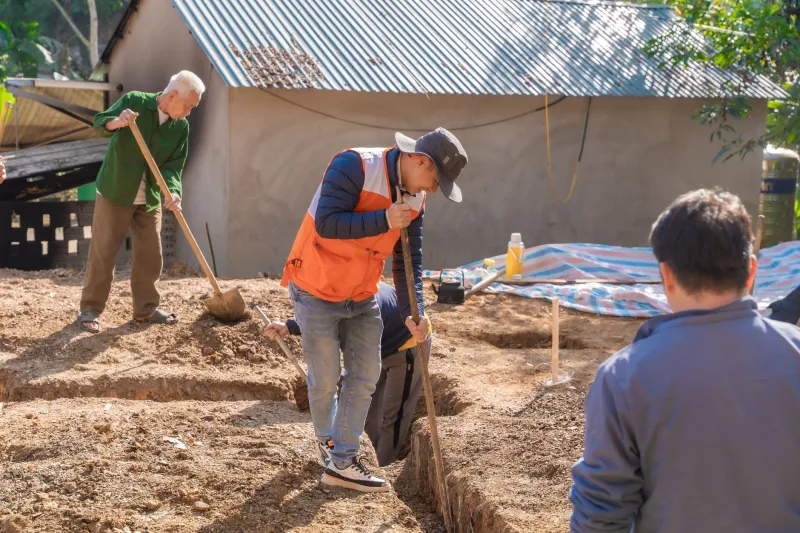
Volunteer recruitment was handled through the club's existing network, supplemented by outreach to local colleges and faith communities. On renovation weekend, more than 140 volunteers arrived to install new equipment, resurface the play area, and repaint surrounding fencing. The project was completed in two days.
Eighteen months later, the club conducted a follow-up survey of families in the surrounding neighborhood. Playground usage had increased by an estimated 60 percent. A nearby community garden that had sat largely dormant for years reported a surge in participation, which organizers attributed in part to the foot traffic the renovated playground generated.
Hattiesburg, Mississippi: Building Trust Through Service
In Hattiesburg, the challenge was not only physical but relational. The neighborhood targeted by the local Kiwanis club had experienced a history of well-intentioned outside projects that failed to gain community buy-in. Club members responded by spending three months in pre-project engagement — attending neighborhood association meetings, hosting listening sessions, and asking residents what they actually wanted in a redesigned space.
The resulting renovation reflected those conversations. In addition to standard play equipment, the project incorporated a shaded seating area for caregivers, a small outdoor fitness station for adults, and a mural commissioned from a local artist. The total project cost was approximately $42,000, funded through a combination of state recreation grants, corporate sponsorships, and a crowdfunding campaign that exceeded its goal by 30 percent.
"We wanted this to belong to the community," explained a Hattiesburg club member who coordinated the project. "Our job was to provide the resources and the labor. The vision had to come from the people who live there."
San Bernardino, California: Scaling the Model
In San Bernardino — a city that has faced significant economic headwinds over the past decade — the local Kiwanis district took a different approach: scale. Rather than focusing on a single playground, the district coordinated a multi-site initiative spanning four neighborhoods simultaneously. The effort required months of logistical planning, cross-club collaboration, and the involvement of more than 300 volunteers across a single weekend.
The San Bernardino initiative attracted attention from city officials and was subsequently featured in a local government report on public-private partnerships in parks maintenance. The district is now in discussions with the city about a longer-term agreement that would have Kiwanis clubs serve as ongoing stewards of specific park spaces.
Funding the Work: A Diversified Approach
One of the most instructive aspects of these projects is how clubs are financing them. Gone are the days when a single pancake breakfast could fund a meaningful capital improvement. Today's playground renovations require a more sophisticated funding strategy.
Successful clubs are typically blending four to five distinct revenue streams: Kiwanis International Foundation grants, state and local recreation grants, corporate sponsorships, individual donor campaigns, and in-kind contributions from suppliers and contractors. Several clubs have also begun partnering with local community foundations, which can provide both funding and credibility when approaching larger institutional donors.
The volunteer recruitment process has similarly evolved. Clubs are increasingly using digital tools — including social media campaigns, volunteer management platforms, and email outreach — to reach beyond their immediate membership. Many have found that framing playground projects as family-friendly service opportunities dramatically increases participation from younger volunteers who might not otherwise engage with a traditional Kiwanis event.
Measuring What Matters
Kiwanis clubs engaged in playground renovation are also becoming more rigorous about measuring outcomes. Beyond simple headcounts of volunteers and dollars raised, leading clubs are tracking metrics such as playground usage rates before and after renovation, changes in surrounding property values, increases in community event activity at renovated sites, and qualitative feedback from neighborhood residents.
This shift toward outcome measurement reflects a broader evolution in how Kiwanis International approaches its service mission. Demonstrating impact in concrete, quantifiable terms strengthens the case for continued funding, attracts new partners, and helps clubs identify which approaches are most effective.
The Ripple Effect
Perhaps the most compelling finding from these initiatives is how frequently playground projects catalyze broader neighborhood engagement. In Youngstown, the renovated park became the site of a new summer reading program. In Hattiesburg, the mural commissioned for the playground sparked a conversation about public art that led to two additional community-funded installations. In San Bernardino, parents who met at the newly renovated parks began organizing a neighborhood watch program.
A swing set, it turns out, is rarely just a swing set. When Kiwanis members invest in a community's physical space, they are also investing in the social fabric that holds that community together. That may be the most important lesson these projects have to teach — and the most powerful argument for continuing to pursue them at scale.